Incoterms 2020 in Practice: Which Term Fits Bag Exporters Best?
Incoterms 2020 in Practice: Which Term Fits Bag Exporters Best?
Incoterms decide three things and refuse to decide everything else. They fix where cost moves, where risk moves, and which documents each side must produce. They say nothing about payment, quality, title or delay.
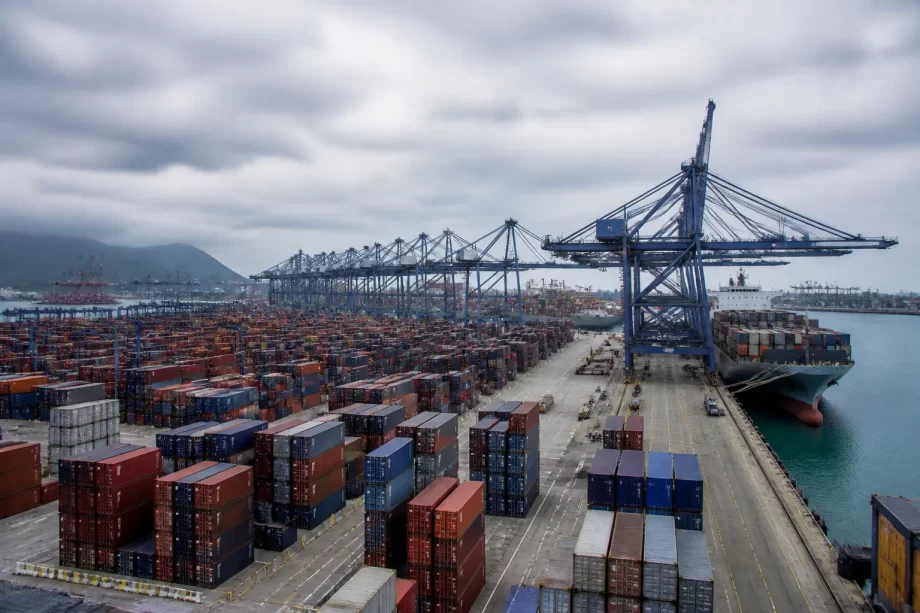
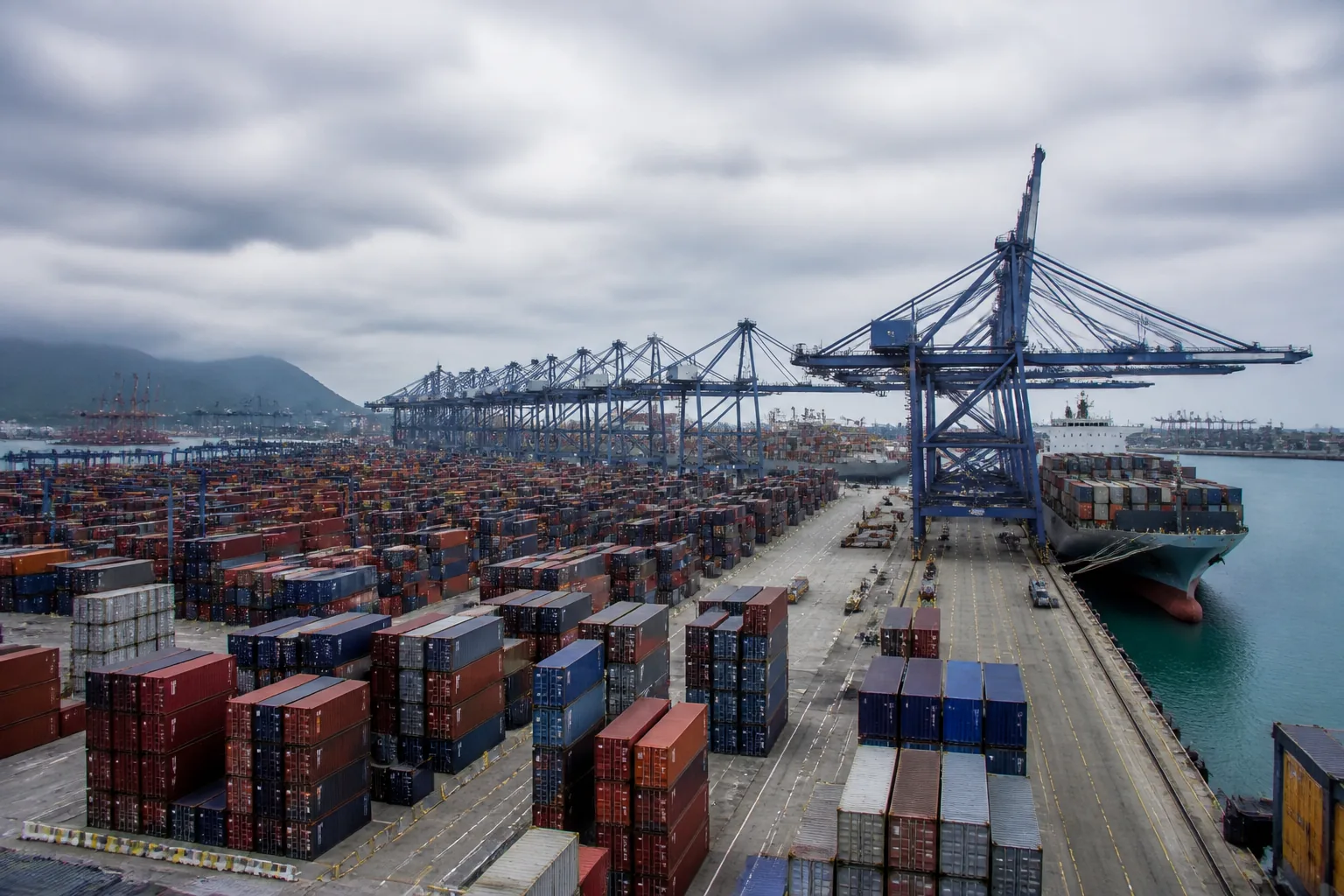
Container terminal with stacked shipping containers and gantry cranes
That narrow scope is why arguments about them are so persistent. A bag exporter quotes FOB because it is familiar, ships a container that the buyer’s forwarder never collects, and then discovers that the term placed an obligation on a party who was not there.
This guide works through the practical side: how cost and risk transfer, which term fits which sales channel, where the common disputes come from, and how to write the term into a contract so that it means what both sides think it means.
The first discipline is to stop expecting the term to solve commercial problems it was never designed to touch.
The Scope Table
Item
Covered
Cost allocation
Yes
Risk transfer point
Yes
Export clearance
Yes
Import clearance
Some terms
Insurance obligation
Two terms
Payment terms
No
The Exclusion Table
Exclusion
Consequence
Title transfer
Contract law applies
Quality claims
Sale contract applies
Delay liability
Contract applies
Force majeure
Contract applies
Currency risk
Contract applies
Sanctions
Law applies
The Scope Obligation Table
Party
Duty
Seller
Deliver per term
Seller
Provide documents
Buyer
Pay price
Buyer
Take delivery
Both
Cooperate on information
Both
Comply with law
The Misuse Table
Misuse
Result
Term as payment guarantee
Non-payment risk
Term as quality spec
Claim disputes
Term as delivery date
Ambiguity
Term as insurance promise
Gap in cover
Term as customs value
Valuation error
Term as liability cap
Unlimited exposure
The Scope Version Table
Element
Requirement
Edition stated
Incoterms 2020
Named place
Precise address
Term
Three letters
Variant
Clarified in words
Currency
Separate clause
Governing law
Separate clause
State the edition and the named place in every quotation, because “FOB” without a port and a year is an invitation to argue later at your own cost.
The Eleven Terms in Brief
Eleven terms look like a menu but behave like a ladder, and most bag exports use four of them.
The Ladder Table
Term
Mode
EXW
Any
FCA
Any
CPT
Any
CIP
Any
DAP
Any
DPU
Any
The Sea Table
Term
Mode
FAS
Sea and inland waterway
FOB
Sea and inland waterway
CFR
Sea and inland waterway
CIF
Sea and inland waterway
DDP
Any
The Group Table
Group
Meaning
E
Collection at seller
F
Main carriage unpaid
C
Main carriage paid
D
Delivery at destination
Sea-only
Ship rail shorthand
Any-mode
Multimodal
The Usage Table
Term
Frequency in bag exports
FOB
Most common
CIF
Common
EXW
Occasional
FCA
Increasing
DAP
Growing
DDP
Buyer-driven
The Naming Table
Element
Example form
Term
FOB
Named place
Shanghai
Edition
Incoterms 2020
Variant note
Container yard
Responsibility note
Export cleared
Attachment
Packing list
Choose from the ladder by who controls the main carriage, not by which acronym the buyer used last time, because the term has to match the actual transport arrangement.
Cost Transfer Points
Cost is easier to argue about than risk because it arrives as invoices, and the invoices usually arrive after the quotation was accepted.
The Cost Item Table
Cost item
Usually seller under FOB
Inland haulage to port
Yes
Export customs
Yes
Terminal handling origin
Yes
Ocean freight
No
Destination charges
No
Import duty
No
The C-Term Cost Table
Cost item
Under CFR or CIF
Ocean freight
Seller pays
Insurance
CIF only
Destination terminal
Buyer
Import clearance
Buyer
Onward haulage
Buyer
Duty and tax
Buyer
The D-Term Cost Table
Cost item
Under DAP
Main carriage
Seller
Destination terminal
Seller
Onward haulage
Seller
Import clearance
Buyer
Duty and tax
Buyer
Unloading
Buyer
The Hidden Cost Table
Cost
Often missed
Documentation fees
Yes
Certificate of origin
Yes
Inspection attendance
Yes
Container detention
Yes
Port congestion surcharge
Yes
Repacking at destination
Yes
The Quotation Table
Element
Should state
Term
Three letters
Named place
Exact point
Validity
Date range
Surcharges
Included or not
Currency
Stated
Payment basis
Separate
Quote the named place as precisely as the terminal or warehouse door, because “CIF Europe” leaves the destination charges to be discovered by whoever answers the phone first.
Risk Transfer Points
Risk transfers at a different moment from cost in the C terms, and that divergence is the single most misunderstood feature of Incoterms.
Shipping documents on a desk with a bill of lading form and a stamp
The Transfer Table
Term
Risk passes
EXW
At seller premises
FCA
On handover to carrier
FOB
On board vessel
CFR
On board vessel
CIF
On board vessel
DAP
At destination ready for unloading
The Divergence Table
Term
Cost and risk split
CFR
Cost to destination, risk at origin
CIF
Cost to destination, risk at origin
CPT
Cost to destination, risk at handover
CIP
Cost to destination, risk at handover
DAP
Cost and risk together
FOB
Cost and risk together
The Consequence Table
Situation
Who bears loss
Container lost at sea under CIF
Buyer
Cargo damaged in terminal under FOB
Buyer after loading
Goods lost in transit under DAP
Seller
Damage before handover under FCA
Seller
Theft at destination under DDP
Seller
Shortage found at consignee under CFR
Buyer
The Insurance Table
Term
Insurance duty
CIF
Seller, minimum cover
CIP
Seller, wider cover
CFR
None
FOB
None
DAP
None specified
DDP
None specified
The Risk Practice Table
Practice
Reason
Buyer insures under FOB
Own cargo policy
Seller insures under CIF
Contract obligation
Both insure
Overlap, not harm
Neither insures under CFR
Common gap
Seller insures under DAP
Prudent
Insurance ignored
Uninsured loss
Remember that under CIF the seller pays freight to the destination but the buyer carries the risk from the moment the container is on board, so a loss at sea is the buyer’s claim and not the seller’s liability.
EXW and the Factory-Door Illusion
EXW looks like the simplest term for a factory and behaves like the most awkward one in practice, because it asks the buyer to do things inside the seller’s country.
The EXW Obligation Table
Task
Under EXW
Loading at factory
Buyer
Inland haulage
Buyer
Export declaration
Buyer
Origin certificates
Buyer
Security filing
Buyer
Port handling
Buyer
The Difficulty Table
Difficulty
Effect
Buyer cannot declare export
Shipment blocked
Loading risk
Damage dispute
Vehicle access
Delay
Document access
Missing papers
Local registration
Impossible
Language barrier
Misunderstanding
The EXW Risk Table
Risk
Consequence
Damage during loading
Unclear liability
Export penalty
Seller address named
Missing certificate
Destination refusal
Carrier refusal
Rework
Insurance gap
Uninsured loss
Reputation
Buyer blames factory
The Workaround Table
Workaround
Effect
FCA instead
Cleaner split
Seller loads as service
Contracted separately
Agent appointed
Buyer side
Ex-works with assistance
Written clause
Local forwarder
Handles export
Domestic sale
No export duty
The EXW Fit Table
Situation
EXW fit
Buyer has local entity
Good
Buyer’s forwarder capable
Good
Sample courier pickup
Workable
First-time buyer
Poor
Small order
Poor
Regulated destination
Poor
Offer FCA instead of EXW whenever the buyer has no presence in your country, because an export declaration that the buyer cannot file stops the container whether or not the term says it is their duty.
FCA and the Container Problem
FCA is the term most often recommended for containerised exports, and the 2020 edition fixed its most awkward feature.
The FCA Handover Table
Place
Handover point
Seller premises
Loaded on buyer’s vehicle
Other place
Placed at carrier disposal
Terminal
Delivered to terminal
Forwarder depot
Delivered to depot
Carrier yard
Delivered to yard
Named address
Exact point
The Onboard Table
Option
Effect
FCA only
Risk at handover
FCA plus onboard bill
Risk at loading
Bill of lading requested
Carrier confirmation
Onboard notation
Bank acceptance
No notation
Documentary risk
Clause needed
State in contract
The Advantage Table
Advantage
Reason
Works with containers
Handover at depot
Export cleared by seller
Normal practice
Flexible place
Any mode
Clean risk point
Documented
Fits forwarder booking
Carrier control
Bank acceptable
With onboard bill
The Friction Table
Friction
Cause
Habit
FOB familiarity
Bank requirements
Onboard date
Buyer resistance
Wants FOB
Forwarder confusion
Unfamiliar
Internal systems
Term codes
Pricing tradition
Market norm
The Decision Table
Cargo
Recommended
Full container
FCA
LCL consolidation
FCA
Break bulk
FOB
Air freight
FCA
Courier
Carrier terms
Rail
FCA
Use FCA for containers and keep FOB for conventional cargo, because FOB assumes goods go over a ship’s rail and a container sitting in a terminal yard never does.
FOB and Its Persistent Popularity
FOB dominates bag exports because it is easy to quote, easy to compare and easy to finance, even where it is technically the wrong tool.
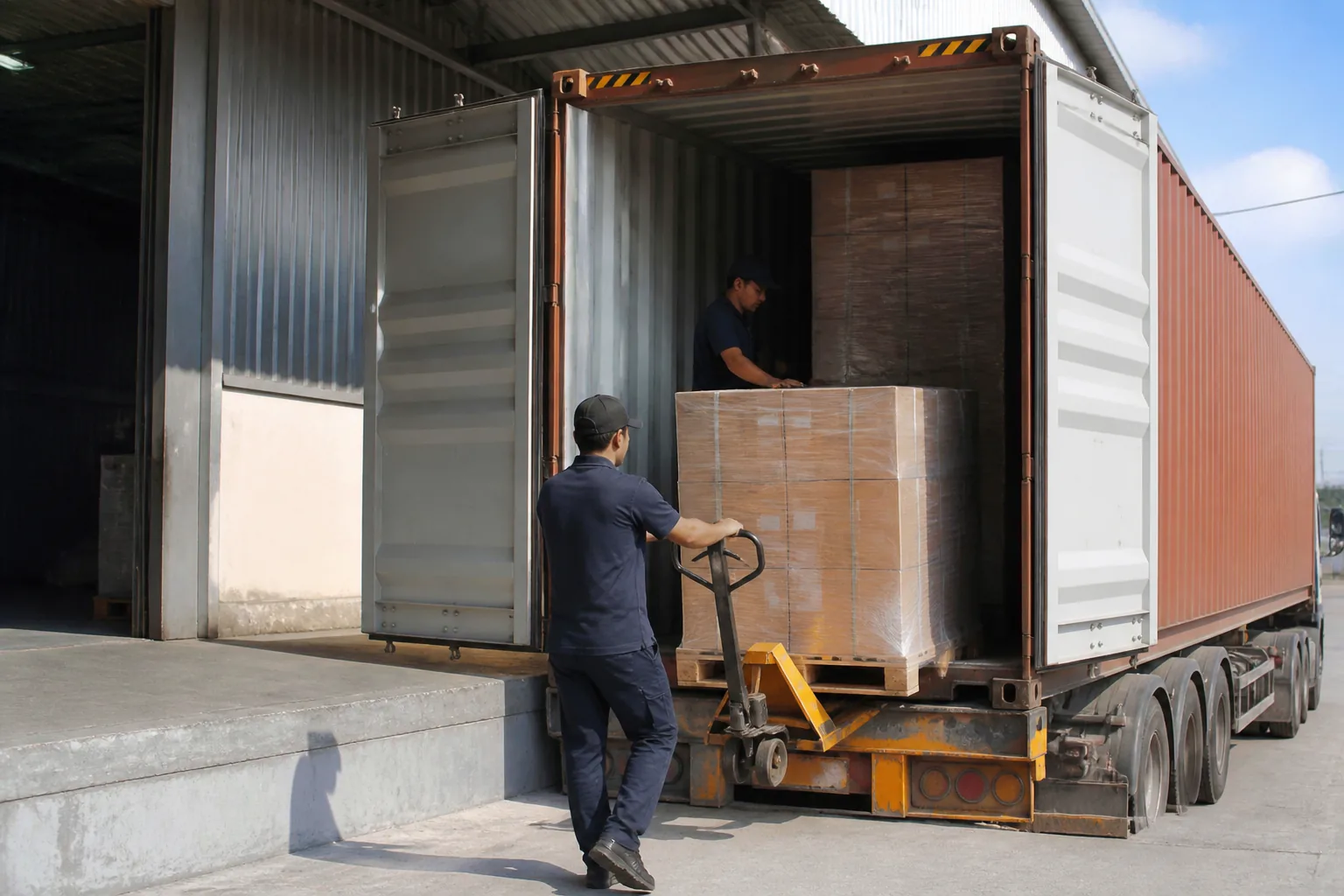
Cartons being loaded into a shipping container at a factory loading bay
The Appeal Table
Appeal
Reason
Familiar to buyers
Market convention
Simple price basis
Port to port
Bank friendly
Onboard date
Comparable quotes
Common denominator
Buyer controls freight
Cheaper rates
Seller avoids freight risk
Fixed cost
The FOB Obligation Table
Task
Under FOB
Packing
Seller
Inland transport
Seller
Export clearance
Seller
Terminal handling
Seller
Loading on board
Seller
Ocean freight
Buyer
The Misfit Table
Situation
Problem
Container in yard
No ship rail crossing
Terminal damage pre-loading
Who bears
Buyer’s forwarder late
Storage cost
Consolidated cargo
Handover unclear
Rail departure
No vessel
RoRo cargo
Different practice
The FOB Dispute Table
Dispute
Cause
Storage charges
Late collection
Terminal damage
Risk ambiguity
Document refusal
Onboard date
Freight rate change
Buyer’s booking
Surcharge addition
Not in quote
Shortage at destination
Terminal handling
The Mitigation Table
Mitigation
Effect
Name the terminal
Clear place
State cut-off date
Reduces storage
Confirm booking early
Avoids rollover
Use FCA where possible
Cleaner risk
Agree cost split
Written clarity
Track container
Evidence
Keep FOB if the market expects it, but write the terminal name, the cut-off date and who pays storage into the contract, because those three items generate most FOB arguments.
CFR and CIF: Freight Included
The C terms look like a delivery promise and are in fact a freight promise with an origin risk point.
The Difference Table
Element
CFR
CIF
Freight paid
Yes
Yes
Insurance
No
Yes
Risk point
On board
On board
Cover level
None
Minimum
Cost of cover
Buyer
Seller
Documentation
Bill of lading
Bill plus policy
The Cover Table
Aspect
CIF minimum
Institute clauses
C, narrow
Insured value
110 percent
Currency
Contract currency
Duration
To destination
Exclusions
Standard
Claims
Buyer’s duty
The Costing Table
Input
Effect
Freight rate
Price basis
Fuel surcharge
Margin risk
Peak season
Rate spike
Volume commitment
Discount
Port pair
Route cost
Transit time
Service level
The Margin Table
Risk
Consequence
Freight rises after quote
Margin lost
Surcharge added later
Dispute
Container rolled
Delay claim
Port congestion
Extra cost
Currency movement
Margin swing
Demurrage
Unplanned cost
The Freight Clause Table
Clause
Purpose
Freight validity
Time limit
Surcharge adjustment
Cost pass-through
Named port
Clarity
Transhipment allowed
Route flexibility
Insurance excess
Who pays
Claims cooperation
Duty to assist
Add a freight validity date and a surcharge clause to every CIF quotation, because a fixed price against a floating freight rate converts a good order into a loss when the market moves.
CIF Insurance Reality
CIF insurance satisfies the contract and rarely satisfies the loss, because the minimum cover required is narrower than most sellers assume.
The Gap Table
Loss type
Minimum cover result
Total loss
Covered
Partial loss at sea
Condition dependent
Water damage
Often excluded
Theft
Conditional
Handling damage
Frequently excluded
Delay loss
Not covered
The Policy Table
Field
Importance
Insured party
Claim standing
Assured value
Settlement basis
Clauses named
Cover scope
Voyage described
Validity
Exclusions
Gaps
Claims address
Practicality
The Claim Table
Step
Requirement
Notice
Immediate
Survey
Carrier joint
Documents
Full set
Reservation
On delivery
Evidence
Photos and tally
Cooperation
Seller assists
The Upgrade Table
Option
Effect
Wider clauses
Better cover
Higher insured value
Margin protection
Named risks
Specific exposure
Door-to-door
Extended scope
Buyer arranges own
Control
Written agreement
Clarity
The Insurance Cost Table
Factor
Effect on premium
Cargo type
Bagged goods moderate
Route
Higher risk lanes
Packing quality
Claim history
Cover breadth
Higher premium
Value declared
Proportional
Deductible
Trade-off
Do not describe CIF as insured delivery, because minimum cover excludes much of what a buyer imagines, and the gap becomes the seller’s argument at the worst possible moment.
DAP and DDP Obligations
The D terms put the seller at the destination, and the difference between the two is who faces the import authority.
The Duty Table
Task
DAP
DDP
Main carriage
Seller
Seller
Destination terminal
Seller
Seller
Onward haulage
Seller
Seller
Import declaration
Buyer
Seller
Duty and tax
Buyer
Seller
Unloading
Buyer
Buyer
The Exposure Table
Exposure
DDP seller
Duty rate change
Absorbed
Valuation dispute
Absorbed
Customs delay
Absorbed
Penalty
Absorbed
Local registration
Required
Tax registration
Often required
The Readiness Table
Requirement
DDP needs
Importer of record
Local entity or agent
Tax number
Destination registration
Product compliance
Destination rules
Labelling
Local language
Broker relationship
Established
Cash flow
Duty funding
The Alternative Table
Alternative
Effect
DAP plus buyer broker
Simple split
DDP with agent
Managed exposure
DDP limited to duty
Clarified
Duty account billing
Transparency
Delivered ex-warehouse
Different risk
CPT to destination
No import duty
The DAP Fit Table
Buyer type
Suitable term
Experienced importer
DAP
Retail programme
DDP sometimes
Small e-commerce buyer
DDP attractive
Regulated market
DAP preferred
New market entry
DAP safer
Marketplace sales
Platform terms
Accept DDP only after confirming you can register as importer and fund duty, because a DDP order without that capability turns a sale into a customs problem in someone else’s jurisdiction.
DDP and Import Duty Exposure
DDP is the term where a factory can lose more money on duty than it earned on the bag, and the exposure is quantifiable before the order is accepted.
The Duty Valuation Table
Element
Included in customs value
Goods price
Yes
Freight to border
Yes
Insurance
Yes
Assists
Sometimes
Royalties
Sometimes
Local delivery
No
The Rate Table
Factor
Effect on duty
HS classification
Determines rate
Origin
Preferential rate
Material content
Classification risk
Bag type
Category rules
Packaging
Separate duty
Value declared
Base amount
The Error Table
Error
Consequence
Wrong HS code
Under or over payment
Origin not claimed
Higher duty
Freight omitted from value
Reassessment
Split invoicing
Penalty
Sample values used
Investigation
Description vague
Delay and query
The Duty Cost Table
Cost
Bearer under DDP
Duty
Seller
VAT or sales tax
Seller, often recoverable
Brokerage
Seller
Storage at customs
Seller
Penalty
Seller
Return freight
Seller
The Control Table
Control
Purpose
Pre-classification
Rate certainty
Origin evidence
Preferential rate
Duty calculator
Quote accuracy
Broker agreement
Predictable cost
Clause for rate change
Risk sharing
Margin buffer
Absorb variance
Price DDP with a duty calculation and a written rate-change clause, because duty is the one cost in the chain that a bag factory cannot estimate from its own production data.
Choosing a Term by Channel
The right term follows from how the goods travel and who is equipped to handle each leg, not from tradition in a particular market.
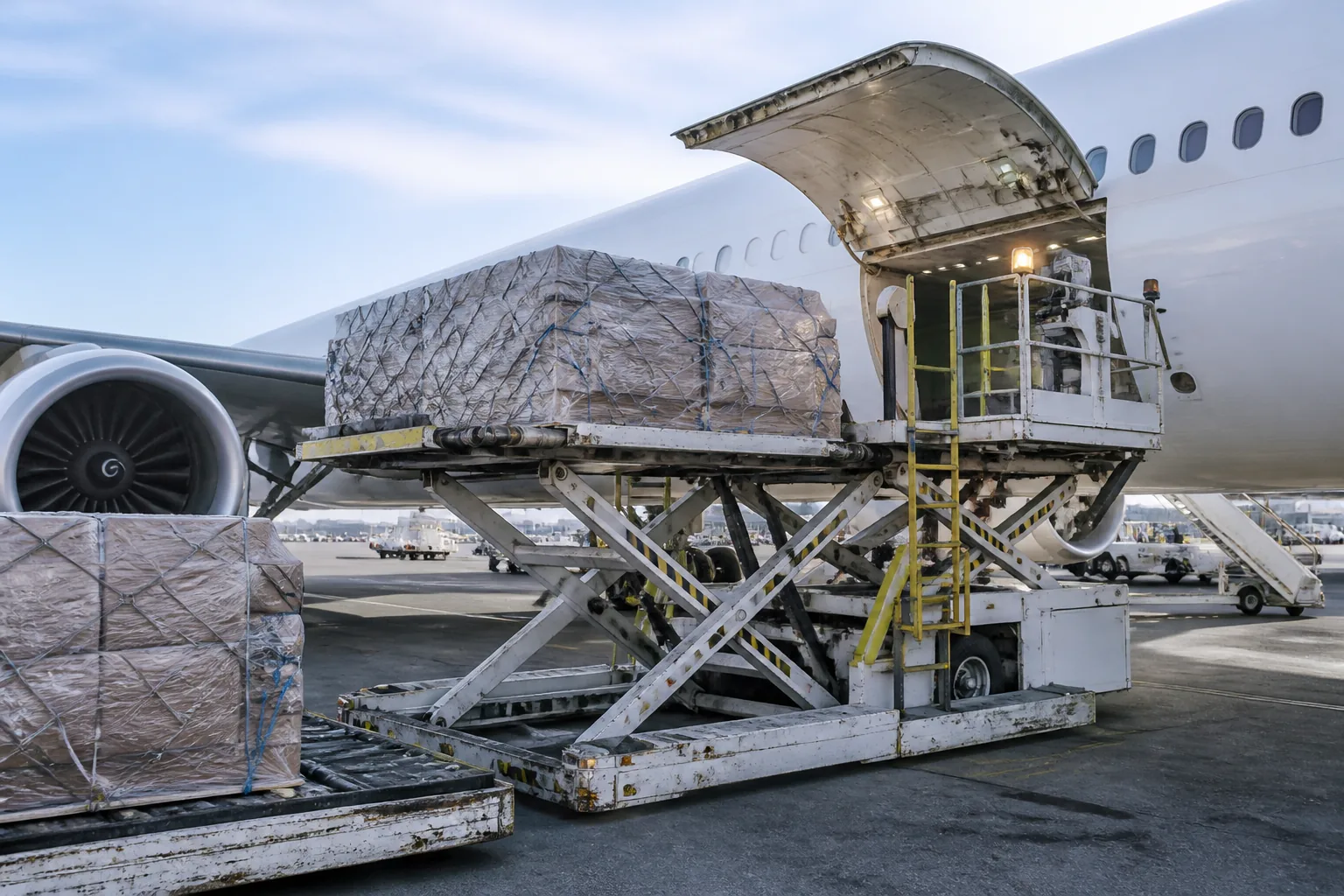
Air freight cargo terminal with palletised cartons being loaded
The Channel Table
Channel
Practical term
Full container to importer
FCA or FOB
LCL consolidation
FCA
Air to distributor
FCA or CPT
Courier to end user
DAP
Retail programme
DDP sometimes
Marketplace
Platform rules
The Capability Table
Party capability
Term preference
Buyer has forwarder
FOB or FCA
Buyer has no presence
DAP
Seller has freight rates
CIF
Seller has import capability
DDP
Both experienced
FCA
Neither experienced
Use a forwarder
The Market Table
Market expectation
Reality check
FOB requested by habit
Check container flow
CIF requested by banks
Check cover level
EXW requested by traders
Check export ability
DAP requested by retailers
Check delivery address
DDP requested by start-ups
Check registration
CPT requested rarely
Explain clearly
The Negotiation Table
Situation
Seller position
Buyer insists on FOB
Accept with terminal named
Buyer wants CIF
Add freight validity
Buyer wants DDP
Quote with duty line
Buyer wants EXW
Offer FCA
Buyer unsure
Recommend FCA
Buyer is agent
Clarify principal
The Review Table
Trigger
Action
New market
Re-check term
New buyer type
Re-check exposure
Freight volatility
Re-check C terms
Duty change
Re-check DDP
Route change
Re-check named place
Contract renewal
Re-check edition
Match the term to the party who can actually perform each step, because a term that assigns work to someone without the capability is a delay waiting for a first shipment.
Container Versus LCL Cargo
Bag shipments split into containers and consolidation loads, and the term that suits one is often wrong for the other.
The Mode Table
Mode
Handover reality
Full container
Depot or terminal
LCL
Consolidator warehouse
Break bulk
Alongside vessel
RoRo
Vehicle handover
Rail container
Rail terminal
Air
Airline terminal
The FOB Misfit Table
Situation
Why FOB strains
Container stuffed at factory
No rail crossing
Sealed at depot
Terminal risk unclear
LCL cartons
Consolidator handling
Rail departure
No vessel involved
RoRo trailer
Different practice
Air pallet
Different regime
The Container Cost Table
Mode
Cost driver
Full container
Freight and inland
LCL
Per cubic metre
Break bulk
Per tonne
RoRo
Per unit
Rail
Per container
Air
Chargeable weight
The Damage Table
Mode
Exposure
Full container
Handling at port
LCL
Multiple handling
Break bulk
Weather exposure
RoRo
Securing quality
Rail
Vibration
Air
Pressure change
The Documentation Table
Mode
Key document
Sea
Bill of lading
LCL
House bill
Air
Air waybill
Rail
CIM or SMGS
Road
CMR
Courier
Tracking record
Use FCA for LCL and containers and reserve FOB for cargo that genuinely goes alongside a vessel, because a consolidator’s warehouse is not a ship’s rail whatever the invoice says.
Air Freight and Courier Terms
Air and courier shipments are small, fast and disproportionately expensive, and the term has to reflect a handover at a terminal rather than a quay.
The Air Handover Table
Stage
Air freight
Factory to airport
Seller under FCA
Export clearance
Seller
Airline terminal
Handover point
Security screening
Carrier
Flight
Main carriage
Destination handling
Buyer or seller
The Suitability Table
Term
Air fit
FCA
Strong
CPT
Workable
CIP
Workable with cover
FOB
Unsuitable
DAP
Common for courier
DDP
Possible with duties
The Air Cost Table
Element
Character
Chargeable weight
Volume sensitive
Fuel surcharge
Volatile
Security fee
Fixed per shipment
Terminal fee
Per kilo
Documentation
Per shipment
Duty
Destination rules
The Courier Table
Term
Courier reality
DAP
Duty unpaid on delivery
DDP
Duty paid by shipper
FCA
Pickup at factory
EXW
Buyer books pickup
CPT
Rarely used
CIF
Not applicable
The Air Risk Table
Risk
Control
Volumetric pricing
Confirm divisor
Duty recharged later
Set DDP or DAP clearly
Sample value dispute
Declare honestly
Lost shipment
Insure or accept
Customs query
Accurate description
Address error
Confirm in writing
State DAP or DDP explicitly on every courier shipment, because courier systems default to one or the other and the buyer discovers which only when a duty invoice arrives.
Documents Each Term Requires
Documents follow the term, and a document set assembled without reference to the term ends up missing exactly the paper the term obliges.
The Document Table
Document
Driven by
Commercial invoice
Contract
Packing list
Contract
Bill of lading
Sea carriage
Air waybill
Air carriage
Certificate of origin
Buyer or tariff
Insurance policy
CIF or CIP
The Term Table
Term
Seller provides
EXW
Minimal assistance
FCA
Export documents
FOB
Export documents
CFR
Bill of lading
CIF
Bill plus policy
DAP
Delivery evidence
The Timing Table
Stage
Document
Booking
Shipping instruction
Loading
Dock receipt
Departure
Bill of lading
Pre-shipment
Inspection certificate
Clearance
Export declaration
Arrival
Arrival notice
The Discrepancy Table
Discrepancy
Consequence
Consignee name error
Bank refusal
Quantity mismatch
Payment withheld
Port name error
Routing problem
Missing onboard date
Finance delay
Wrong term on invoice
Duty dispute
Missing policy
CIF claim void
The Archive Table
Record
Retention
Invoice
Multi-year
Bill of lading
Multi-year
Origin certificate
Multi-year
Export declaration
Regulatory period
Insurance
Claim window
Correspondence
Contract period
Cross-check the term printed on the invoice against the term in the contract before the document set leaves the building, because a mismatch is the fastest way to freeze payment under a letter of credit.
Payment Terms Interaction
The term and the payment method are separate clauses that interact badly when they are drafted independently.
The Method Table
Payment method
Term sensitivity
Advance payment
Low
Letter of credit
High
Documents against payment
High
Open account
Moderate
Consignment
High
Platform escrow
Moderate
The Credit Table
Term
Letter of credit fit
FOB
Standard
CFR
Standard
CIF
Standard
FCA
Workable with onboard bill
DAP
Awkward
DDP
Awkward
The Bank Table
Requirement
Effect
Onboard bill demanded
FCA needs clause
Insurance certificate
CIF natural
Named port
Precision needed
Latest shipment date
Cut-off pressure
Tolerance clause
Quantity flexibility
Presentation period
Document speed
The Payment Risk Table
Combination
Risk
DDP with open account
Duty funded by seller
EXW with credit
Buyer cannot document
CIF with narrow cover
Claim gap
FCA without clause
Bill refused
DAP with consignment
Long exposure
Advance with FOB
Low risk
The Alignment Table
Check
Purpose
Term matches carriage
Coherence
Named place matches route
Accuracy
Documents achievable
No refusal
Insurance adequate
Claim validity
Duty responsibility clear
No surprise
Dates consistent
No discrepancy
Draft the payment clause and the trade term in the same sitting, because a letter of credit that demands an onboard bill of lading against an FCA contract is unachievable by design.
Common Disputes and Causes
The disputes that reach management are repetitive, and nearly all of them trace back to a term that was named but not specified.
The Dispute Dispute Table
Dispute
Root cause
Storage charges
Late collection under FOB
Damage claim
Unclear handover
Freight surcharge
Quote not indexed
Duty invoice
DDP assumed by buyer
Insurance refusal
Minimum cover
Missing certificate
Responsibility unclear
The Origin Table
Cause
Frequency
No named place
High
Ambiguous variant
High
Term copied from old contract
High
No edition stated
Moderate
Verbal agreement
Moderate
Wrong term for mode
Moderate
The Dispute Cost Table
Dispute cost
Typical bearer
Storage and demurrage
Seller in practice
Repacking
Seller
Return freight
Seller
Duty reassessment
Seller under DDP
Claim excess
Buyer
Legal cost
Both
The Prevention Table
Measure
Effect
Written named place
Removes ambiguity
Stated edition
Removes version drift
Variant note
Clarifies intent
Cost split schedule
Prevents argument
Container cut-off
Reduces storage
Term review at renewal
Keeps fit
The Resolution Table
Stage
Action
Immediate
Preserve documents
Day one
Notify counterparty
Week one
Joint survey
Negotiation
Cost sharing
Escalation
Contract remedies
Learning
Update template
Record the named place and the edition on the quotation, the contract and the invoice, because a dispute that starts with three documents naming three different points cannot be won cheaply.
Incoterms and Customs Valuation
Customs authorities do not read Incoterms the way commercial parties do, and the term affects the declared value in ways that catch exporters out.
The Valuation Valuation Table
Term
Value basis adjustment
EXW
Add freight and insurance to border
FCA
Add main carriage
FOB
Add freight and insurance
CFR
Freight included already
CIF
Freight and insurance included
DAP
Includes delivery to destination
The Adjustment Table
Element
Treatment
Inland freight
Usually excluded
Ocean freight
Included at border
Insurance
Included
Loading at origin
Included if not in price
Destination delivery
Usually excluded
Duty paid
Not part of value
The Valuation Risk Table
Risk
Consequence
Understated value
Penalty
Overstated value
Excess duty
Freight omitted
Reassessment
Related party pricing
Scrutiny
Sample value used
Investigation
Inconsistent terms
Query
The Evidence Table
Document
Supports
Commercial invoice
Price
Freight invoice
Carriage
Insurance certificate
Cover cost
Contract
Terms
Price list
Consistency
Transfer pricing file
Related parties
The Valuation Practice Table
Practice
Reason
Declare on consistent basis
Avoids queries
Keep freight evidence
Justifies value
Match invoice to term
Coherence
Review annually
Rate changes
Train declarants
Accuracy
Use broker advice
Local rules
Keep freight and insurance invoices for the same period as the customs entries, because a value declared under CIF without carriage evidence is the first thing a valuation audit asks for.
Contract Wording and Version Control
The same three letters can mean two different things in two contracts, and version control is what keeps a template from drifting.
The Contract Clause Table
Clause element
Purpose
Term and edition
Certainty
Named place
Precision
Variant note
Intent
Cost split
Allocation
Insurance detail
Cover scope
Duty responsibility
Exposure
The Wording Table
Vague wording
Improved wording
FOB China
FOB Shanghai, Incoterms 2020
CIF Europe
CIF Rotterdam, Incoterms 2020
DDP buyer country
DDP buyer warehouse address
EXW our factory
EXW our factory, loading by buyer
Insurance included
CIF minimum cover, clauses named
Freight included
CFR plus named surcharges
The Contract Version Table
Element
Control
Template owner
Named role
Edition year
Stated
Change log
Dated entries
Approval
Management sign-off
Distribution
Single source
Old copies
Withdrawn
The Training Table
Audience
Content
Sales
Term selection
Documentation
Document set
Finance
Credit alignment
Logistics
Handover points
Management
Exposure limits
Agents
Same standard
The Audit Table
Check
Frequency
Contract term accuracy
Per contract
Invoice consistency
Per shipment
Named place accuracy
Quarterly
Template version
Annual
Exposure review
Annual
Training refresh
Annual
Keep one approved term template and withdraw the others, because the fastest route to a DDP duty loss is a sales team quoting from a template that was replaced two years ago.
The Incoterms Checklist
Before Quoting
Item
Done
Mode confirmed
☐
Handover point identified
☐
Named place written
☐
Edition stated
☐
Freight validity set
☐
Duty exposure checked
☐
Before Shipping
Item
Done
Term matches contract
☐
Invoice term matches
☐
Documents achievable
☐
Insurance adequate
☐
Certificate obtained
☐
Buyer notified
☐
After Departure
Item
Done
Onboard confirmation sent
☐
Documents couriered
☐
Arrival notice tracked
☐
Surcharges reconciled
☐
Duty billed or absorbed
☐
File archived
☐
FAQ
Which Incoterm is best for a bag factory selling to overseas importers?
FCA is the most defensible default for containerised bag exports, because the seller clears export and hands over to the carrier at a defined point, and the buyer controls the main carriage. FOB remains workable where the market expects it and where the cargo genuinely goes alongside a vessel, but it fits containers poorly. CIF suits buyers who want one landed price, provided the seller adds a freight validity date and understands that risk still passes at origin.
Why does FOB cause problems with container shipments?
Because FOB was written for cargo handed over the ship’s rail, and a container is normally stuffed at the factory or a depot and delivered to a terminal yard days before loading. During that gap the goods are in nobody’s clear custody under the term, so terminal damage or storage charges become an argument. FCA names a handover point that a container actually passes through, which is why it is the cleaner choice.
Is CIF really insured delivery?
No. Under CIF the seller must arrange minimum cover, which typically uses the narrowest institute clauses, insures at 110 percent of the contract value, and excludes much handling and water damage. Risk also passes to the buyer when the goods are on board, so the buyer holds the claim even though the seller paid the premium. Buyers who want broad cover should agree CIP, a wider clause set, or insure themselves.
Can we accept DDP orders as a factory?
Only if someone in the organisation can act as importer of record in the destination country, register for tax where required, classify the product correctly and fund duty before reimbursement. Without that capability, DDP converts a normal sale into a customs exposure in a jurisdiction where the factory has no standing. DAP plus a buyer-appointed broker achieves most of what buyers want from DDP without that exposure.
Does the Incoterm change the customs value we declare?
It changes the basis, which is why consistency matters. Authorities generally assess value at the border, so an EXW or FOB price needs freight and insurance added, while a CIF or DAP price already contains elements that must be separated if the authority asks. The invoice term, the declared value and the supporting freight invoices should all tell the same story.
What should we write after the three letters?
The named place, precisely enough that a driver could find it, and the edition year. “FOB Shanghai, Incoterms 2020” is usable; “FOB China” is not. Where the term has a known ambiguity, add a short variant note, for example that the seller loads under EXW or that an onboard bill of lading is required under FCA. These additions cost one line and prevent most disputes.
Do Incoterms decide when we get paid?
No. They decide cost, risk and documents only. Payment depends on the payment clause, and the two interact because documentary credits often require documents that a particular term does not naturally produce. A credit demanding an onboard bill of lading against an FCA contract is the classic mismatch, and it is avoidable by drafting the two clauses together.
How often should the terms in our contracts be reviewed?
Annually, and whenever the mode, route, buyer type or duty position changes. The review should check that the term still matches how the goods actually travel, that the named place is still the right point, that freight validity and surcharge clauses reflect current rates, and that the template in use is the approved version rather than a superseded copy.
Conclusion
Incoterms are a small, precise tool that bag exporters routinely overload. They allocate cost, risk and documents; they do not allocate blame, guarantee payment or define quality. Treating them as if they did is the source of most of the arguments that reach management.
The practical position is straightforward. Use FCA for containers and consolidation loads, keep FOB where the market or the bank genuinely requires it, offer CIF with a freight validity date and honest words about cover, and accept DDP only with a real importer-of-record capability and a duty calculation behind the price.
Then make the paperwork agree. The same term, edition and named place should appear on the quotation, the contract, the invoice and the shipping instruction. Three documents that agree are worth more than any amount of explanation after the container has sailed.