A golden sample is the physical reference that decides what “correct” means for a production order. It is the bag that was approved, sealed, labelled, and stored, so that every unit built afterwards can be compared against something real rather than against a memory of a meeting.
Without a controlled golden sample, quality becomes a matter of interpretation. The factory believes it is producing to specification, the buyer believes the delivered goods differ from the approved pre-production sample, and neither side can resolve the disagreement because no one can point to a single, authenticated reference.
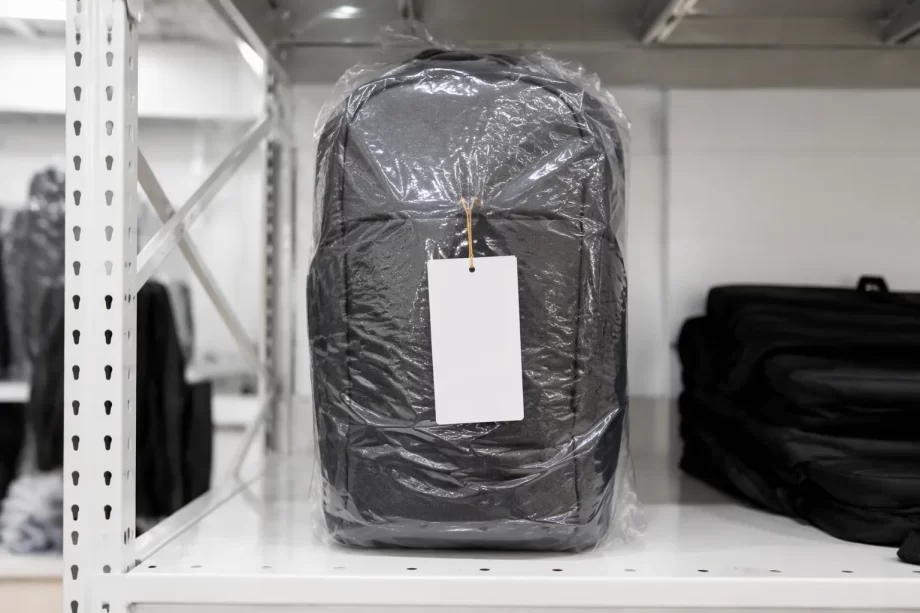
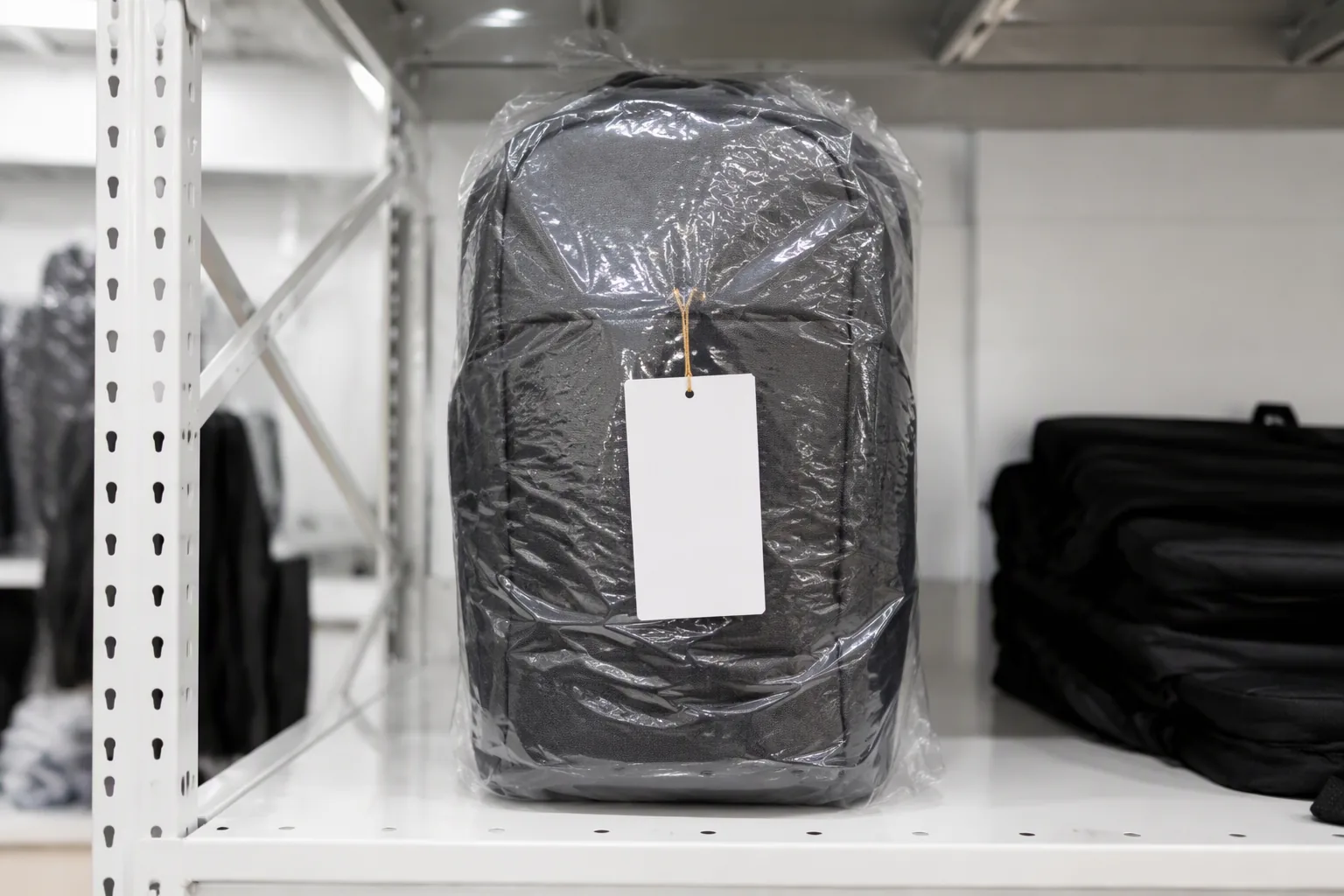
Sealed reference backpack sample with an approval tag in a sample room
This guide covers golden sample control from a bag manufacturer’s perspective: what qualifies as a golden sample, how samples are built and approved through the sampling rounds, how they are sealed, labelled and documented, how they are stored and retrieved, how they are used in production and in inspection, how to manage them across multiple factories and suppliers, and the administration and cost of maintaining a reliable sample library.
A golden sample converts a written specification into something unambiguous. Specifications describe; a sample demonstrates. Where the two conflict or where the specification is silent, the sample is the reference that the line actually follows.
The Function Table
Function
What it provides
Reference
The approved appearance and construction
Benchmark
A basis for comparison
Arbiter
Evidence in a dispute
Training aid
A visual standard for operators
Continuity
Consistency across orders and seasons
The Risk Table
Without a golden sample
Consequence
Verbal approvals
Disputed interpretation
Approval by photograph
Colour and texture mismatch
No retained reference
Inability to compare
Multiple unofficial samples
Conflicting standards
Sample changed by handling
Reference drifts over time
The Requirement Table
Requirement
Purpose
Physically approved
Confirms the real object
Signed and dated
Confirms authority and version
Sealed
Prevents alteration
Labelled
Identifies the style and revision
Stored properly
Preserves condition
Accessible
Usable in daily production
The Value Table
Benefit
Effect
Fewer inspection disputes
Decisions become objective
Faster new-operator training
Visual reference available
Earlier deviation detection
Compared at the workstation
Reliable reorders
Consistent basis across lots
Documented approval chain
Audit readiness
Factory note: The most common cause of a rejected shipment is not a manufacturing failure but an approval failure: the buyer approved a sample that was never sealed, the sample was handled and modified, and the reference for “approved” no longer exists. Sealing and storing the approved sample at the moment of approval is what prevents this.
What Qualifies as a Golden Sample
Not every sample is a golden sample. The status is conferred by an approval decision and a control process, not by the sample being the latest one produced.
The Sample Types Table
Sample type
Purpose
Development sample
Exploratory, not approved
Proto sample
Structure confirmation
Fit sample
Size and proportion confirmation
Pre-production sample
Full construction and materials
Golden sample
Approved and sealed reference
Shipment sample
Drawn from production
The Qualification Table
Criterion
Requirement
Built to the approved specification
Full construction and materials
Built with production methods
Not a bench-made exception
Inspected and passed
Against the specification
Approved in writing
Dated and signed
Sealed
Tamper-evident
Retained
Stored under control
The Contents Table
Element
Reason
Complete bag
All features present
Correct materials
Actual production materials
Correct hardware
Actual finish and size
Correct labels
All labels in position
Correct packaging
If packaging is specified
The Comparison Table
Reference
Use
Golden sample
Visual and construction standard
Specification sheet
Measured requirements
Colour standard
Shade reference
Packaging standard
Presentation reference
Test report
Performance evidence
The Custody Table
Holder
Role
Buyer
Owner and approver
Factory quality
Daily reference
Factory sample room
Library and control
Third-party inspector
Comparison at inspection
Sampling Rounds and Approval
A golden sample is the end product of a sampling sequence. Understanding the sequence explains why the final approval must be documented and why early-round samples should never become the reference.
The Sampling Sequence Table
Round
Focus
Proto
Structure and proportion
Corrections
Revised per comments
Fit or size set
Measurements across sizes
Pre-production
Full materials and construction
Approval
Confirmed as the golden sample
Production
Bulk built against the approved sample
The Comment Control Table
Stage
Control
Comment issued
Written, specific, referenced to the sample
Comment logged
Numbered and dated
Action assigned
Owner and deadline
Verification
Re-checked against the comment
Closure
Confirmed in the next round
The Approval Table
Element
Requirement
Approver
Named and authorised
Decision
Written
Date
Recorded
Reference
Style, revision, sample identity
Conditions
Stated, if conditional
Distribution
To all relevant parties
The Conditional Approval Table
Condition
Handling
Minor deviation accepted
Recorded against the sample
Correction required in bulk
Instruction issued
Additional test required
Test scheduled
Packaging pending
Sample approved for construction only
The Approval Failure Table
Failure
Consequence
Approval given verbally
No verifiable record
Sample not sealed
Reference can be altered
Approval superseded by a later sample
Conflicting references
Approval without retained copy
No comparison possible
Factory sample not matched to buyer sample
Two standards
Factory note: A conditional approval is only useful if the condition is written down and attached to the sealed sample. The factory will build to the sample, so any tolerated deviation should be marked on the sample itself, or the bulk will repeat the deviation as if it were approved.
Sealing, Labelling and Documentation
Sealing is what converts a bag into a reference. Labelling is what makes the reference identifiable. Documentation is what makes it defensible.
The Sealing Method Table
Method
Character
Tamper-evident bag with a signed seal
Standard practice
Numbered security seal
Highest control
Stitched or tagged closure
Durable, visible
Boxed with a sealed label
Bulkier, protects shape
The Label Content Table
Field
Purpose
Style number
Identification
Revision or version
Version control
Approval date
Chronology
Approver name
Authority
Sample type
Golden, pre-production, or other
Photo reference
Visual record
The Photograph Set Table
View
Purpose
Front and back
Overall appearance
Interior
Lining and organization
Detail views
Stitching, hardware, labels
Base and handle
Contact and load points
Label close-ups
Compliance and brand
Packaging
Presentation standard
The Documentation Pack Table
Document
Content
Approval record
Decision, date, approver
Specification sheet
Measured requirements
Bill of materials
Materials and components
Comment history
Rounds and resolutions
Test reports
Performance evidence
Photograph set
Visual record
The Record Retention Table
Record
Retention
Approval record
Life of the style
Photograph set
Life of the style
Comment history
Life of the style
Test reports
Per program requirement
Specification versions
All versions retained
The Distribution Table
Party
Receives
Factory quality department
Golden sample access
Factory sample room
Controlled storage
Buyer
Retained approval pack
Inspector
Reference at inspection
Cutting and assembly
Copies of the specification
Storage, Retrieval and Condition Control
A sealed sample still degrades. Light, humidity, dust, handling, and time all change a bag, and a reference that has changed is no longer a reference.
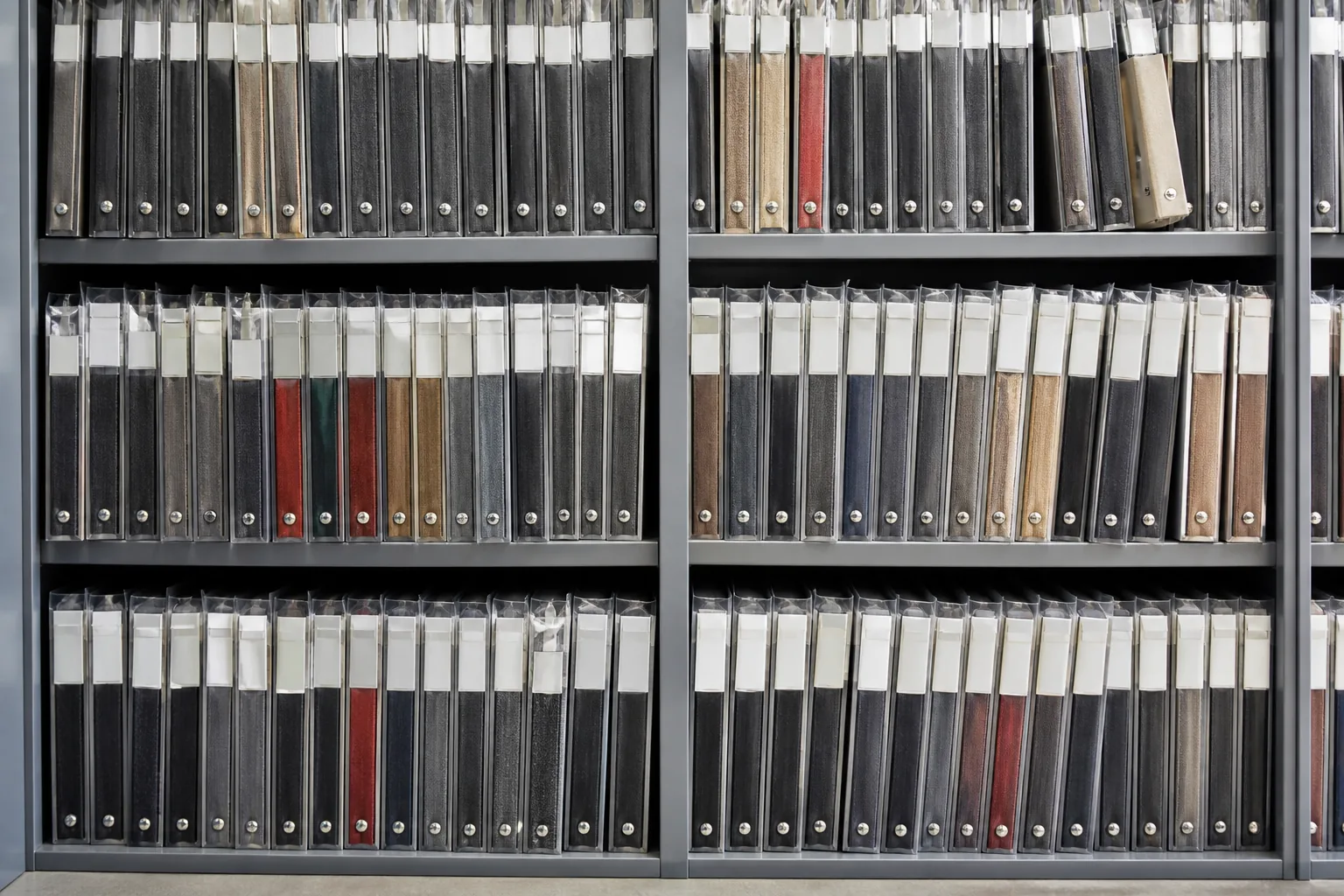
Sample library shelf with numbered sealed reference samples
The Storage Condition Table
Condition
Requirement
Light
Away from direct sunlight
Humidity
Controlled, dry
Temperature
Stable, ambient
Dust
Covered or enclosed
Handling
Gloved, minimal
Position
Supported, not compressed
The Storage Location Table
Location
Suitability
Sample room shelf
Standard
Closed cabinet
Better protection
Sealed bag on a rack
Good with stable conditions
Open workshop shelf
Poor
The Retrieval Rule Table
Rule
Reason
Handled by named staff
Accountability
Gloves used
Prevents soiling
Returned after use
Availability
Logged
Traceability
Not used as a production unit
Prevents loss
The Condition Check Table
Check
Frequency
Seal intact
Every retrieval
Appearance unchanged
Monthly
No soiling or deformation
Monthly
Label legible
Monthly
Photos still match
Annually
The Deterioration Table
Change
Action
Seal broken
Re-approve or replace
Soiling
Clean or replace with an approved duplicate
Deformation
Replace; do not reshape and reuse
Fading
Replace; colour reference lost
Label illegible
Re-label with reference to the record
The Duplicate Reference Table
Situation
Requirement
Multiple production sites
One sealed sample per site
Buyer and factory
One held by each
Long programs
Replacement set built from bulk
High handling frequency
Reference set plus working set
Using Golden Samples in Production
A golden sample only improves quality if it is present where the work happens. Stored in an office, it is documentation; mounted at the workstation, it is a control.
The Application Table
Location
Use
Cutting
Confirms panel shapes and direction
Preparation
Confirms trimming and reinforcement
Assembly
Confirms construction sequence
Hardware
Confirms finish and placement
Final inspection
Confirms the finished standard
Packing
Confirms presentation
The Working Sample Table
Type
Character
Sealed golden sample
Never handled in production
Working reference
Unsealed, identical, at the station
Photographic reference
Supplementary, not a substitute
Measurement card
Key dimensions for the station
The Line Comparison Table
Production stage
Comparison
First output of the order
Against the golden sample
First output of each shift
Against the working reference
After a material lot change
Against the golden sample
After a machine or operator change
Against the working reference
Before final packing
Against the golden sample
The Operator Instruction Table
Instruction
Reason
Compare before running the batch
Prevents repeated error
Report any difference
Escalation
Never modify the reference
Protects the standard
Keep the reference covered
Prevents soiling
Ask when uncertain
Avoids assumption
The Deviation Handling Table
Finding
Action
Difference in construction
Stop and escalate
Difference in material
Segregate the lot
Difference in hardware
Verify against the specification
Difference in colour
Compare against the colour standard
Difference judged acceptable
Written approval only
The Training Table
Trainee
Content
New operator
Golden sample orientation
New inspector
Comparison and judgement training
Supervisor
Deviation escalation
Sample room staff
Storage and logging
Inspection and Dispute Resolution
The golden sample is the decisive evidence in an inspection. Its value depends on it being authenticated, unaltered, and available at the point of inspection.
The Inspection Use Table
Inspection
Use
Pre-production check
Confirms the line is set to the approved sample
In-line inspection
Confirms running output
Final inspection
Confirms the finished standard
Pre-shipment inspection
Confirms the shipped standard
Complaint investigation
Establishes whether the goods matched
The Inspector Requirement Table
Requirement
Reason
Access to the sealed sample
Objective comparison
Defined lighting
Colour judgement
Measurement tools
Dimensional verification
Specification sheet
Documented requirements
Camera
Record keeping
The Dispute Evidence Table
Evidence
Weight
Sealed golden sample
Decisive
Approval record
Confirms authority
Photograph set
Supports the sample
Specification sheet
Confirms measured requirements
Test report
Confirms performance
Unsealed sample
Weak, may be altered
The Complaint Table
Complaint
Check
Construction differs
Compare against the golden sample
Dimensions differ
Measure against the specification
Colour differs
Compare against the colour standard
Hardware differs
Check the approved specification
Material differs
Check the bill of materials
Presentation differs
Compare packaging
The Resolution Table
Finding
Outcome
Goods match the golden sample
Complaint not upheld
Goods differ from the golden sample
Rework, sort, or concession
Golden sample itself deviated
Approval process review
No valid reference exists
Negotiated settlement
The Escalation Table
Level
Action
Operator
Report and stop
Supervisor
Compare and document
Quality manager
Decide within the specification
Buyer
Decide on deviation
Both parties with records
Formal resolution
Sample Control Across Factories and Suppliers
A program built at one factory with one supplier is straightforward. A program built across two factories, or with materials from several suppliers, multiplies the number of references that must agree.
Quality inspector comparing production output against a sealed reference sample
The Multi-Site Table
Configuration
Control approach
Single factory, single style
One sealed sample at the factory
Single factory, multiple styles
One per style, indexed
Multiple factories, one style
One sealed sample retained by each site
Multiple factories, shared materials
Colour and material standards shared
Subcontracted operations
Controlled sample at the subcontractor
The Distribution Rule Table
Site
Receives
Main factory
Sealed golden sample
Secondary factory
Sealed duplicate, built to the same standard
Subcontractor
Working reference and specification
Component supplier
Component specification and standard
Inspector
Access arrangement
The Duplicate Consistency Table
Check
Requirement
Built to the same specification
Version confirmed
Built with the same materials
Bill of materials confirmed
Approved in the same round
Same approval record
Sealed identically
Same label content
Compared with the master
Documented as consistent
The Supplier Component Table
Component
Reference provided
Fabric
Colour and construction standard
Webbing
Shade and texture standard
Hardware
Finish and dimension standard
Zipper
Tape colour and slider finish
Labels
Artwork and position
The Reconciliation Table
Situation
Action
Two samples disagree
Compare against the approval record
One sample has been altered
Restore from the master reference
Site sample lost
Rebuild from the retained duplicate
Revision issued
Replace all site samples together
Supplier changed a component
Re-verify against the standard
Sample Libraries and Version Control
A sample library is only useful if a revision can be identified and superseded versions can be retired. Left unmanaged, a library becomes a collection of bags that all look approximately right.
The Library Index Table
Index field
Purpose
Style number
Primary identification
Style name
Recognition
Revision
Version
Approval date
Chronology
Current status
Active or superseded
Storage location
Retrieval
Sample type
Golden, pre-production, other
The Version Rule Table
Rule
Reason
One active version per style
Prevents conflicting references
Superseded versions marked
Prevents accidental use
Superseded versions retained
History and continuity
Revision change triggers a new sample
Reflects the change
Change log maintained
Traceability
The Retirement Table
Situation
Handling of old versions
New revision approved
Mark superseded, retain
Style discontinued
Retain for the warranty period
Program transferred
Transfer with records
Sample damaged
Replace from the approved duplicate
The Audit Table
Check
Frequency
Index accuracy
Quarterly
Physical presence
Quarterly
Condition
Monthly
Seal integrity
Monthly
Superseded samples marked
Quarterly
Approval records complete
Annually
The Digital Layer Table
Tool
Use
Photograph archive
Visual record
Spreadsheet or system index
Retrieval and status
Digital approval record
Traceability
Version control
Change history
Access control
Custody
The Continuity Table
Need
Practice
Reorder after months
Compare against the retained sample
Reorder after a material change
Compare against the material standard
Style extension
Build from the golden sample
New factory
Transfer a sealed duplicate
Sample Control in the Order Timeline
Sample work is not a pre-production activity that ends when bulk begins. It continues through the order, because each stage of production depends on a different sample decision.
The Timeline Table
Order stage
Sample requirement
Enquiry
Reference sample for costing
Quotation
Sample matched to the quoted specification
Development
Proto or correction sample
Pre-production
Full-construction sample for approval
Approval
Golden sample sealed and distributed
Bulk production
Working references at the line
Pre-shipment
Comparison against the golden sample
Repeat order
Comparison against the retained sample
The Sample Lead Time Table
Sample stage
Typical duration
Proto development
One to two weeks
Corrections
One to two weeks per round
Fit or size set
One to two weeks
Pre-production
One to two weeks
Approval decision
Days to weeks
Duplicate construction
One week per site
The Approval Window Table
Situation
Effect on the calendar
Approval within the window
Bulk starts on schedule
Approval delayed
Bulk start shifts directly
Approval conditional
Correction work added to the line
Approval rejected
Another sampling round required
The Parallel Sampling Table
Approach
Benefit
Sample and bulk material booking in parallel
Shortens the critical path
Sample and packaging development in parallel
Avoids a late dependency
Sample and test scheduling in parallel
Test results ready at approval
Multi-site sampling in parallel
Consistent start across sites
The Calendar Risk Table
Risk
Mitigation
Late approval
Book the bulk slot early and confirm
Slow sample shipping
Plan the shipping method deliberately
Comment rounds repeating
Issue specific, referenced comments
Material unavailable for sampling
Confirm availability before sampling
Sample approved then changed
Treat any change as a new revision
The Handover Table
Handover point
Requirement
Development to production
Approved sample and specification
Production to quality
Golden sample access arrangement
Factory to inspector
Sample availability at inspection
Order to repeat order
Retained sample and records
Site to site
Sealed duplicate and documentation
The Closing Table
Closing action
Reason
Confirm the sealed sample is stored
Future reference
Archive the approval record
Traceability
Archive the comment history
Explains decisions
Archive the photograph set
Visual record
Log the final revision
Version control
Common Problems and Corrections
Sample control problems are usually process lapses rather than technical failures, and nearly all of them are visible before a shipment is packed.
The Problem Matrix
Symptom
Likely cause
Correction
Bulk differs from the approved sample
No sealed reference
Seal and re-approve
Sample and specification disagree
Specification not updated
Reconcile and reissue
Two factories produce differently
No duplicate at one site
Issue a sealed duplicate
Sample changed since approval
Handled without control
Replace from the duplicate
Inspector cannot compare
Sample not available
Provide access
New operator produces errors
No workstation reference
Mount a working reference
Old revision used in production
Retention not controlled
Mark and segregate
Complaint cannot be resolved
No retained record
Establish the record pack
Colour judgement disputed
Lighting not defined
Define the viewing condition
Seal broken with no report
No logging
Introduce a retrieval log
The Diagnosis Order Table
Step
Check
1
Confirm which sample is the approved reference
2
Confirm the seal and label are intact
3
Compare against the approval record
4
Compare against the specification sheet
5
Confirm the production revision matches
6
Confirm material lots against the standard
7
Document and escalate with evidence
The Prevention Table
Control
Effect
Seal at the moment of approval
Protects the reference
One active version per style
Removes ambiguity
Working reference at each station
Detects deviation early
Duplicate at each site
Consistent production
Retrieval log
Accountability
Periodic condition check
Detects deterioration
Cost and Administration
Sample control is inexpensive relative to the failures it prevents, but it is not free. The cost sits in sample construction, storage, and administration time.
The Cost Table
Element
Character
Sample construction
Per round
Duplicate samples
Per site
Storage
Space and conditions
Administration
Indexing and logging
Photography
Record keeping
Replacement
Per deterioration
The Cost Comparison Table
Activity
Relative cost
Sealing and storing the approved sample
Very low
Building a duplicate for a second site
Moderate
Reworking a shipment for a deviation
High
Recalling goods from the market
Very high
Losing a program over repeated deviation
Highest
The Administration Table
Task
Frequency
Log retrieval
Each use
Check condition
Monthly
Check index accuracy
Quarterly
Review superseded samples
Quarterly
Audit records
Annually
The Responsibility Table
Role
Responsibility
Buyer
Approve and retain the master record
Quality manager
Maintain the reference and decide
Sample room
Store, log, and retrieve
Supervisor
Mount working references
Operator
Compare and report
The Investment Table
Investment
Return
Sealing process
Fewer disputes
Duplicate samples
Consistent multi-site output
Storage conditions
Longer reference life
Index system
Faster retrieval
Retrieval log
Accountability
The Return Table
Benefit
Effect on the program
Objective inspection
Faster pass and fail decisions
Early deviation detection
Less rework
Documented evidence
Faster dispute resolution
Reliable reorders
Consistent quality over time
Trained operators
Fewer repeated errors
The Golden Sample Checklist
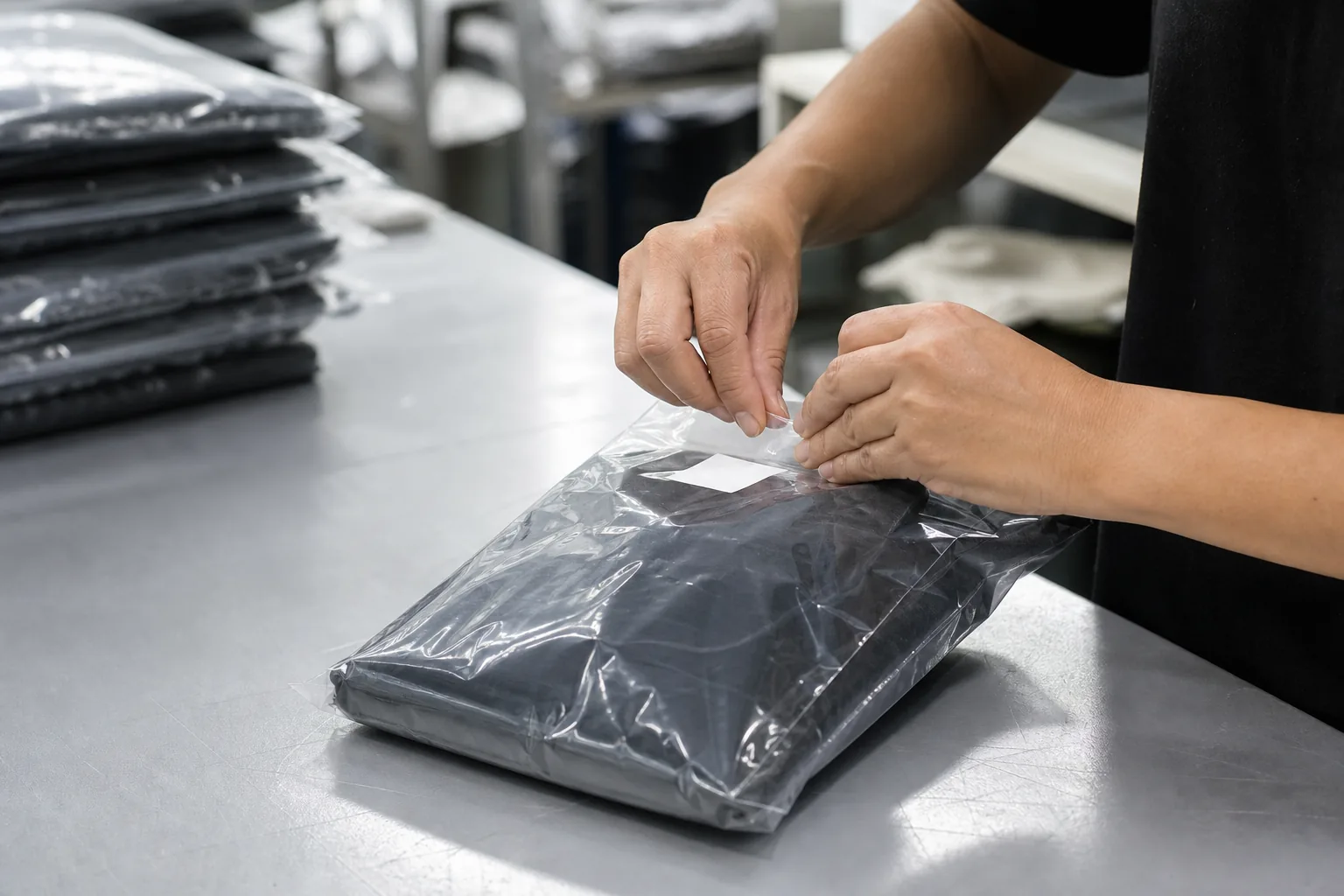
Sample being sealed into a protective cover with an approval label
At Approval
Item
Done
Sample built to the full specification
☐
Constructed with production methods
☐
Materials verified against the bill of materials
☐
Measurements checked against the specification
☐
Labels and packaging confirmed
☐
Photograph set taken
☐
Approval recorded with a date and name
☐
Sample sealed and labelled
☐
Conditions of approval marked on the sample
☐
In the Library
Item
Done
Index entry created
☐
Revision recorded
☐
Storage location assigned
☐
Superseded versions marked
☐
Storage conditions controlled
☐
Retrieval log started
☐
Duplicate issued to each site
☐
In Production
Item
Done
Working reference mounted at each station
☐
First output compared against the golden sample
☐
Comparison repeated after lot changes
☐
Operators trained on comparison
☐
Deviation escalation route defined
☐
Final output compared before packing
☐
In Inspection
Item
Done
Sealed sample available to the inspector
☐
Defined lighting condition provided
☐
Measurement tools available
☐
Specification sheet available
☐
Findings photographed and recorded
☐
The Eight Rules
Rule
Reason
Seal the sample at the moment of approval
Prevents later alteration
Keep one active version per style
Removes ambiguity
Mount a working reference at every station
Detects deviation where work happens
Never rebuild a reference from memory
The sample is the standard
Issue a sealed duplicate to each production site
Consistent multi-site output
Mark the conditions of a conditional approval
Prevents a tolerated deviation becoming the norm
Control storage conditions
Preserves the reference
Retain the approval record and photographs
Makes the reference defensible
FAQ
What is the difference between a pre-production sample and a golden sample?
A pre-production sample is built to confirm the full construction, materials, and measurements before bulk production; it is a verification step. A golden sample is that sample once it has been formally approved, sealed, labelled, and retained as the reference. Every pre-production sample is a candidate for golden sample status, but only the approved and sealed one carries the authority, and only that one should be used for comparisons during production.
Who should hold the sealed golden sample, the buyer or the factory?
Both, in a controlled way. The buyer holds the master record and the approval documentation, because the buyer is the approver and may need the reference for inspection or dispute resolution. The factory holds a sealed sample for daily production and incoming inspection. Where the program runs at more than one site, each site needs its own sealed duplicate built to the same specification and approved in the same round, otherwise the sites will gradually diverge.
Can a photograph replace a physical golden sample?
No. Photographs are a valuable record and useful for communication, but they cannot represent colour, texture, hand feel, hardware finish, or construction detail with the accuracy an inspection requires. A photograph also cannot be measured. The practical approach is to keep the physical sealed sample as the reference and the photograph set as supporting evidence, so that questions about what changed can be answered quickly.
How should a golden sample be sealed?
The usual method is a tamper-evident bag closed with a signed and dated seal carrying the style number, revision, approval date, and approver name. The seal does not need to be elaborate; it needs to make any opening obvious and to record who approved it and when. If the sample is opened for any reason, the seal is broken and the sample’s status must be re-established rather than quietly returned to the shelf.
What should be done when the design is revised after approval?
A revision invalidates the previous reference. A new sample should be built to the revised specification, approved in the same documented way, sealed, and issued to every site, and the superseded samples should be marked as such and retained rather than discarded. Producing against a superseded reference is one of the most common causes of a shipment that matches the sample but not the current order.
How often should a golden sample be checked?
The seal should be checked every time the sample is retrieved, and its overall condition should be reviewed monthly. Realistically, the changes that matter are soiling, deformation, fading, and a broken seal, and all four are visible at a glance. An annual comparison of the physical sample against the photograph set confirms that the reference still represents what was approved.
Should the golden sample be used on the production floor?
The sealed golden sample should not be handled on the line. The working approach is a two-tier system: the sealed sample stays in the sample room as the authority, and an unsealed working reference, identical in every respect, is mounted at each relevant station. The sealed sample is brought out for the first output of an order, after a material lot change, and before final packing.
What happens if a golden sample is lost or damaged?
The reference should be restored from the retained duplicate or from the buyer’s master record, not rebuilt from memory. Where no duplicate exists, a replacement has to be built and approved through the normal process, which is why duplicate samples are worth the cost on any program that will run more than once. The incident should also be logged, because a damaged sample often indicates a handling problem rather than a storage problem.
Do small orders need golden sample control?
They need it more, not less. Small orders are usually spread over longer intervals, involve more operator changes, and receive less management attention, which is exactly the situation in which an undocumented reference leads to drift. The control can be light: one sealed sample, one working reference, a photograph set, and a dated approval note. The cost is a few hours of administrative time against a rework or rejection that would exceed the margin on the order.
Conclusion
Golden sample control is a small administrative discipline with a disproportionately large effect on quality consistency. It converts an approval decision into a physical reference that survives handling, staff changes, production intervals, and multiple production sites, and it gives every quality decision an objective basis.
The discipline is consistent across every stage. Build the sample to the full specification using production methods, so the reference is representative rather than idealised. Approve it in writing with a name and a date, and seal it at that moment so the reference cannot drift. Label it with the style, revision, and approval details, and keep a photograph set and the approval record alongside it.
Store it so that light, humidity, and handling do not change it, and check its condition routinely. Use a working reference at the stations where the work happens, and reserve the sealed sample for first output, lot changes, and final verification. And where a program runs at more than one site, issue a sealed duplicate to each, so that consistency is a shared standard rather than an assumption.
For factories, sample control is what makes a quality claim checkable: a plant that can produce the sealed approved sample and the record behind it answers an inspection question in minutes rather than in correspondence.
For buyers, the two practices worth adopting immediately are sealing the approved sample at the moment of approval and requiring a sealed duplicate at every production site. Neither is expensive, and together they remove the most common cause of the argument that begins with the words “that is not what we approved”.